

About us
We turn large roofs into energy installations
Here we tell you why we exist, who we are and where we are headed.
Why we existCo-founders Paul Wisén and Pelle Stensson in a meeting, 29 September 2026.

Why we exist
How we put unused roofs to work
Why do large roofs stand empty when electricity is needed right beneath them? Whoever pays for the electricity rarely owns the roof. We build the installation, let the business buy the electricity directly and divide the installation into shares, so that more people can take part and be entitled to their part of the electricity revenue.
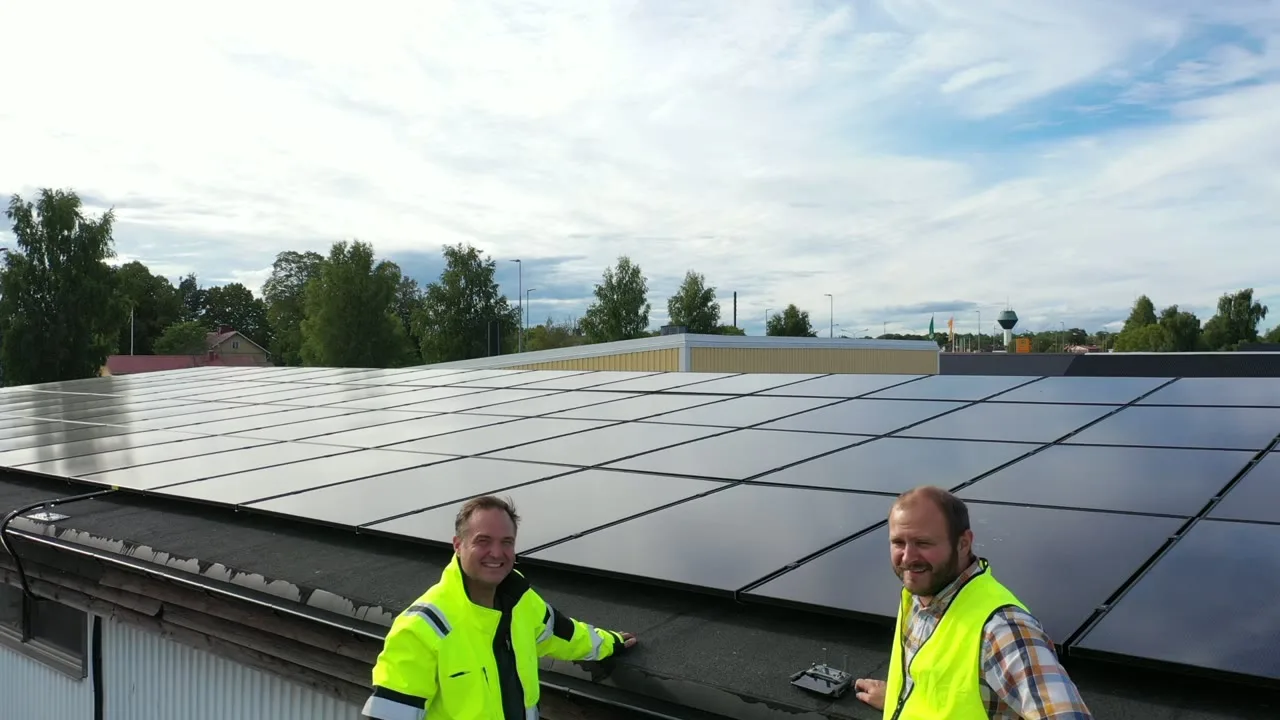
When the founders knocked on the doors of businesses with large roofs, they got the same answer: the businesses were keen to have solar energy, but only rented the premises and referred the founders to the property owner. The property owners were positive about climate goals but used no electricity themselves. They did not want to build or manage an energy system on behalf of their tenants. Both had reasonable grounds, but the deadlock meant the roofs stood empty.
Our first installation is at the Casa Latina restaurant in Skutskär. We built and paid for the installation (we own it today). The electricity is used directly on site, and we sell shares in the installation.
Our model rests on three clear roles: the property owner makes the roof available, the business in the building buys the solar electricity at an agreed, discounted price, and an operating company looks after the panels and the maintenance. At Casa Latina in Skutskär the roles and the agreements are kept separate, even though the same company owns the property and runs the restaurant. The installation is separate movable property and is protected in the agreement: if the property is sold, the new owner must take over the agreement, otherwise a wind-down plan is drawn up or a buyout takes place.
By dividing the installation into shares, more people can share in the electricity revenue. The purchase price for the shares goes to us, because we have already built and paid for the installation, and the electricity revenue is distributed continuously among the share owners after deductions for operation, an allocation for maintenance and a buffer for the unforeseen. The payout is added to your account with us as credits, which today can only be used for new shares.
Climate
Why it matters where the panel sits
If we want to get more green energy built, talking is not enough – this is our contribution to actually doing something. But the same kilowatt-hour of solar electricity delivers different climate benefits depending on which electricity grid it enters. We started on a roof in Skutskär to show that it works in practice, while aiming for places where each panel can make an even bigger difference.
Sweden's electricity grid is among the cleanest in Europe.
8 g CO2e/kWhSweden, 2023
EEA, indicator ENER 038retrieved October 22, 2026
On average, the electricity grid in the EU has considerably higher emissions.
210 g CO2e/kWhEU-27, 2023
EEA, indicator ENER 038retrieved October 22, 2026
In Poland, the emission intensity of the electricity grid is very high.
614 g CO2e/kWhPoland, 2023
EEA, indicator ENER 038retrieved October 22, 2026
The people
The team behind IntelliShares
Our background is in designing and building energy systems in Sweden — steel, panels and on-site metering. There is also expertise in law, technology and operations, so that more people can own a share in the installations.
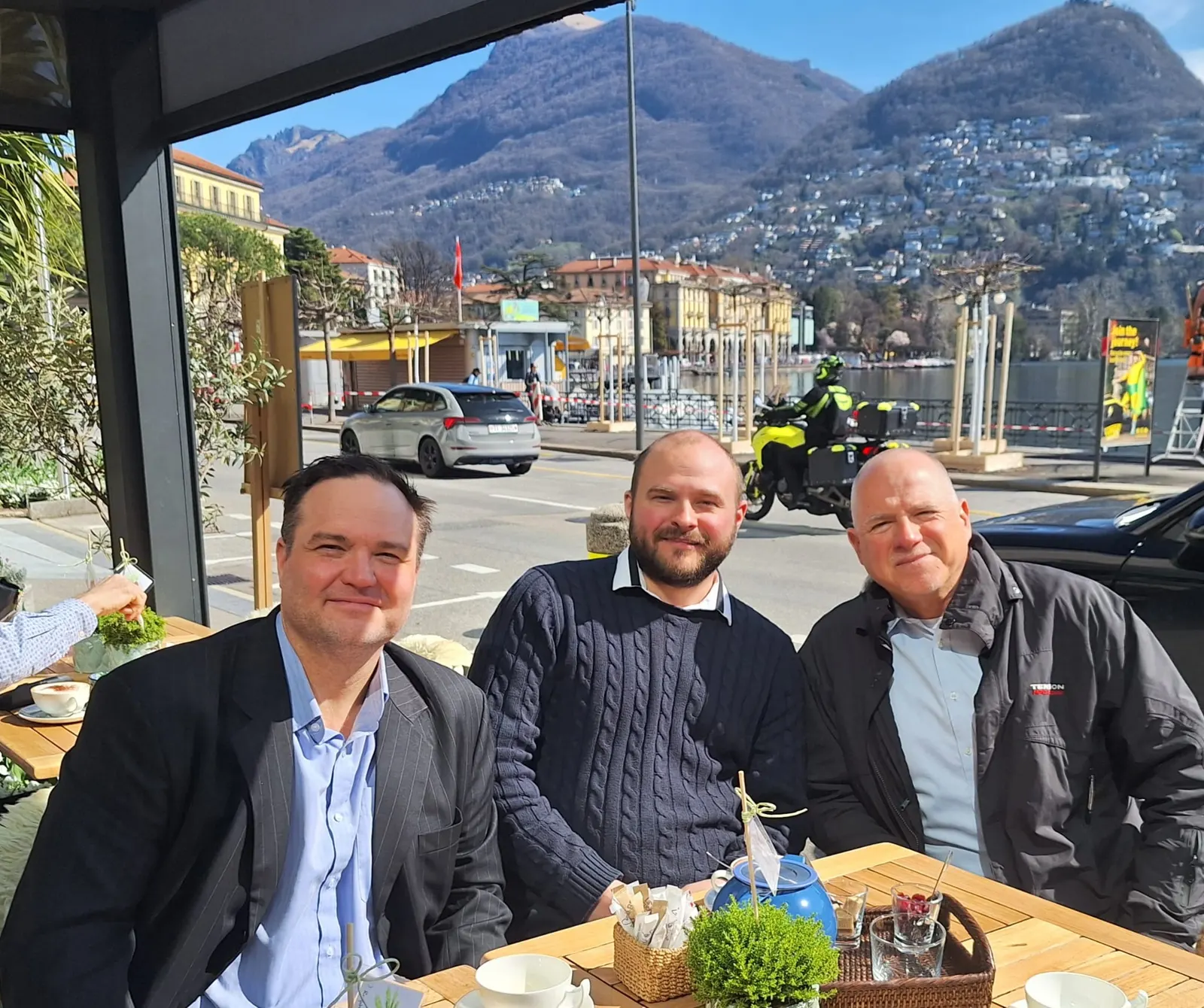
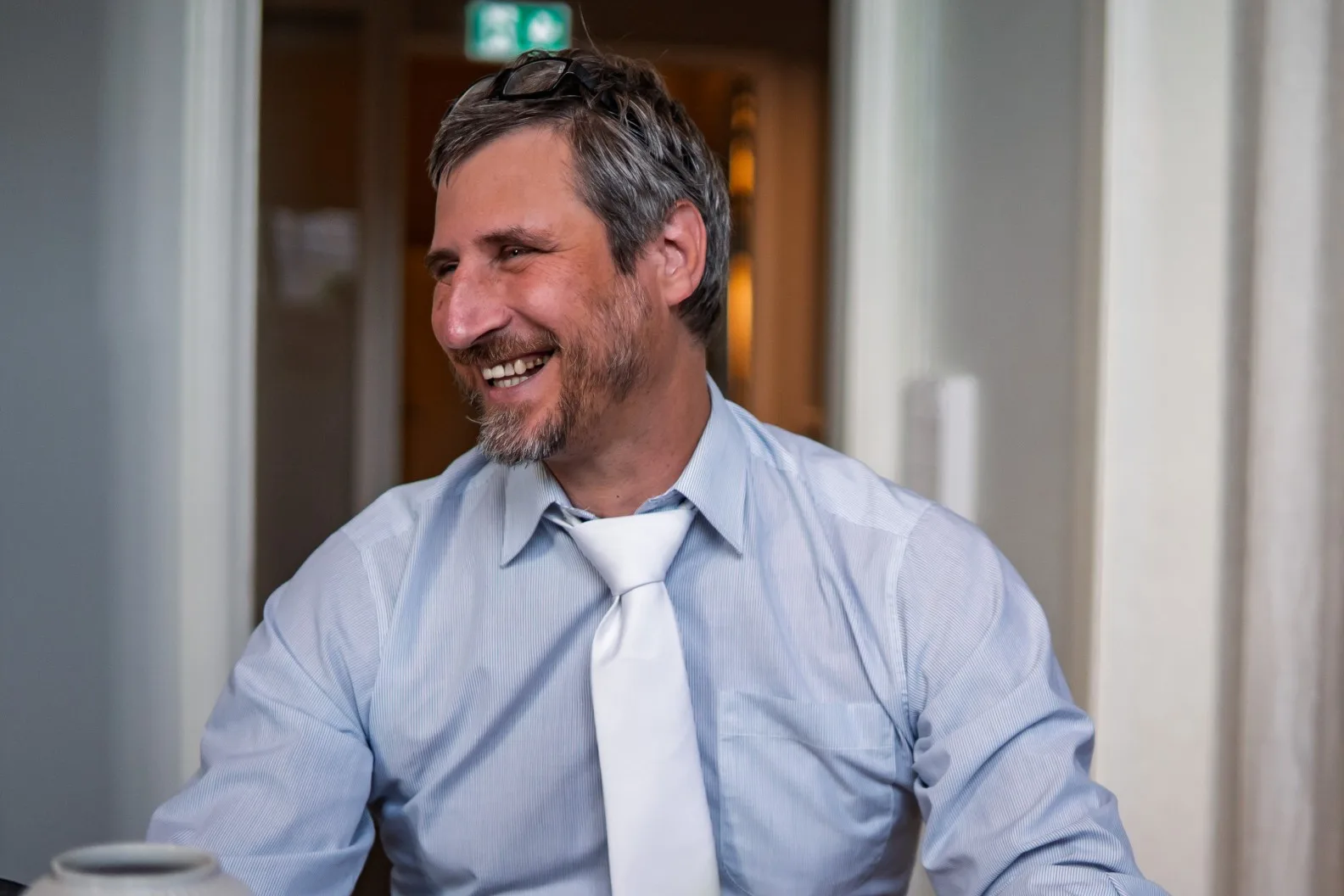
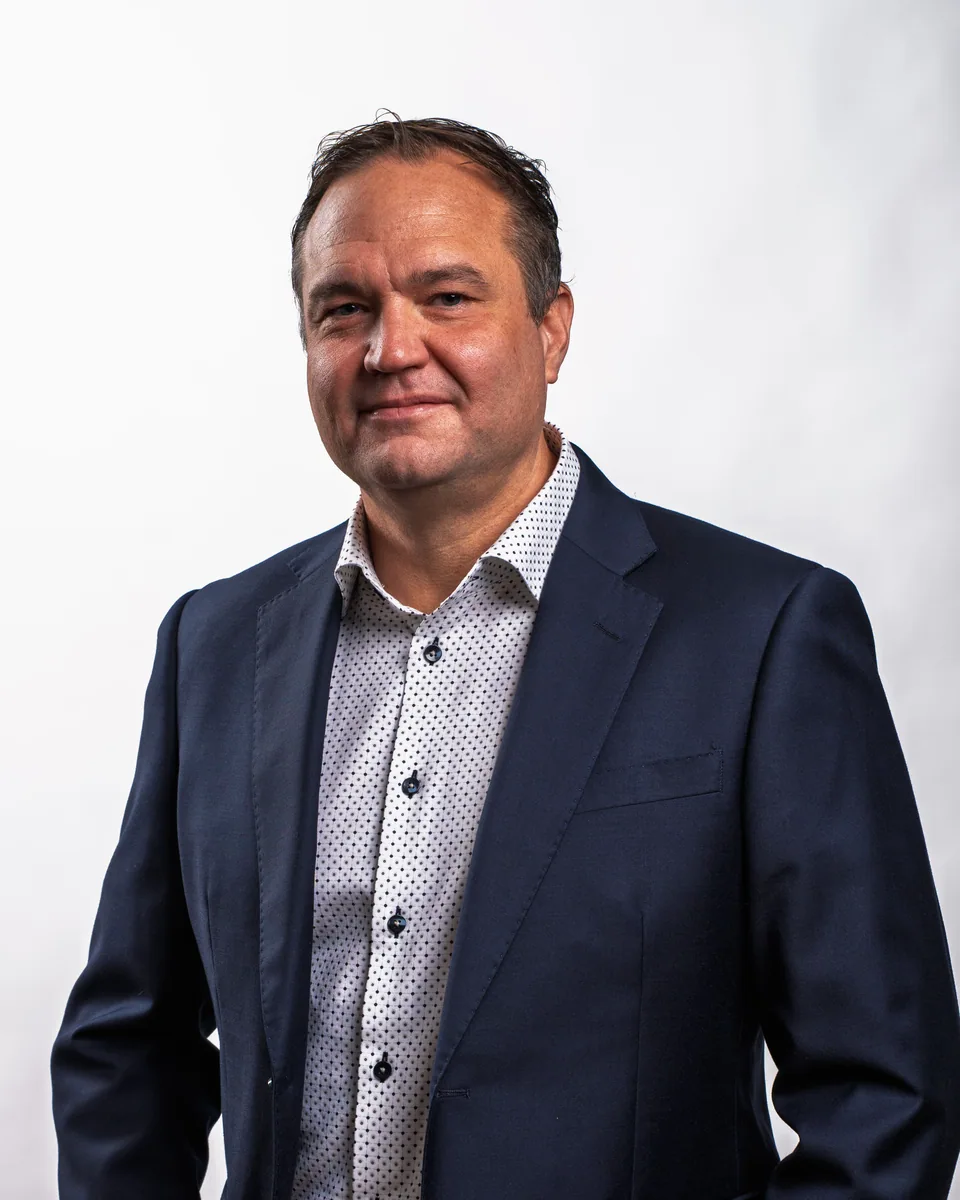
Paul Wisén
CEO & Founder
Started at Vattenfall R&D in 1998. Built over 50 solar and energy systems in Sweden before IntelliShares SA was founded. Leads project development, procurement and relations with institutions — including Stockholm Vatten och Avfall.
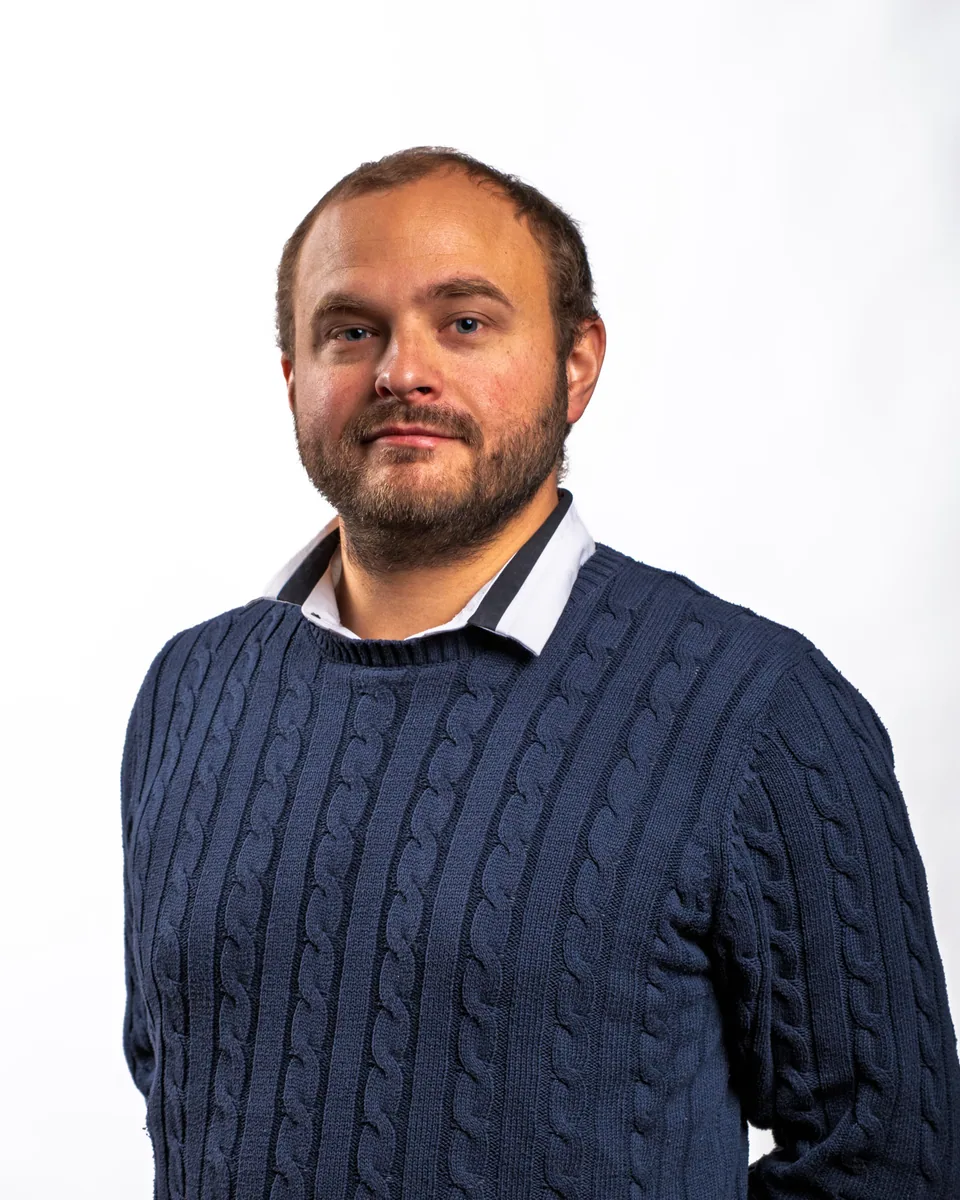
Pelle Stensson
Co-founder · Engineering & Operations
Developed a control system for battery optimisation and grid services. Was responsible for operations at more than 47 installations in Sweden.
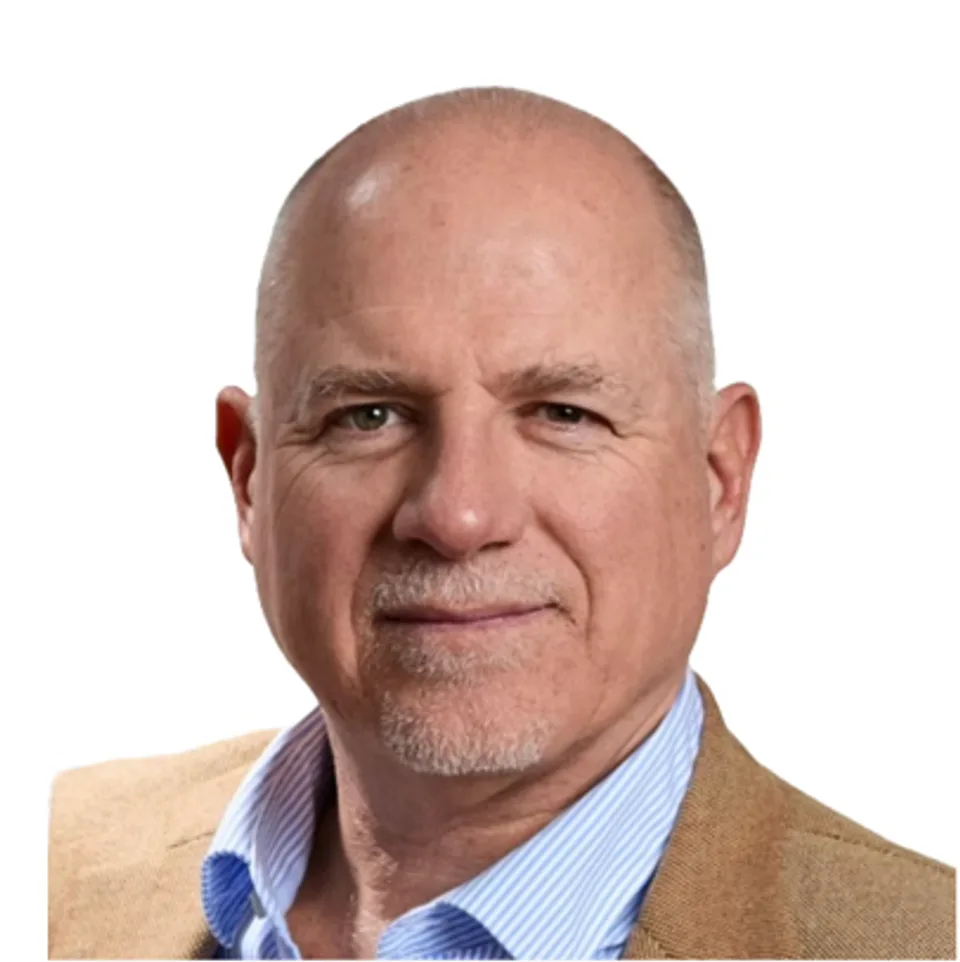
Brandon Ahearn
Chairman of the Board
Lawyer at Global Legal and Business Advisory in Lugano. Leads the work on Swiss regulations for IntelliShares SA. Has extensive experience in international business law and compliance.
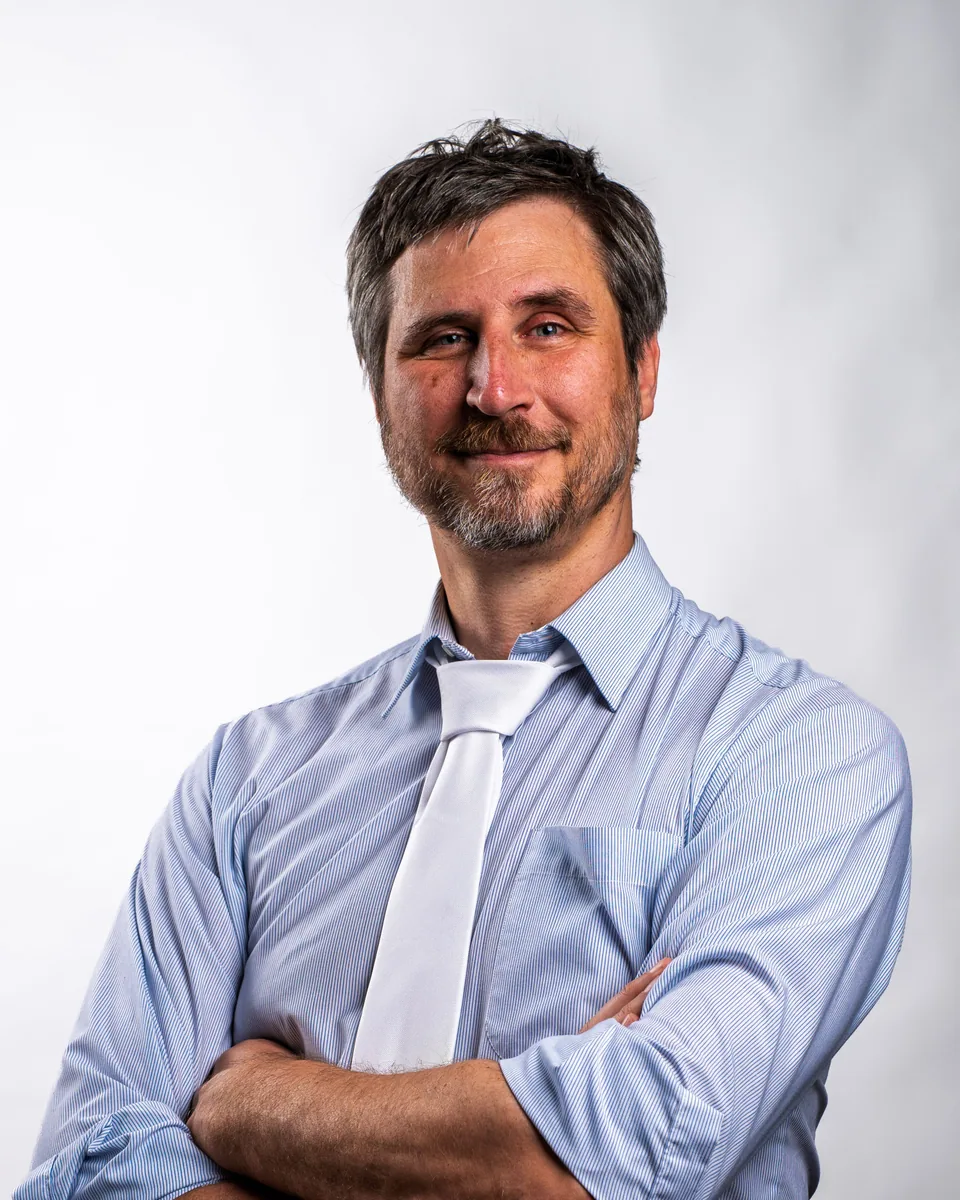
Stefan Huszics
CTO
Many years of experience designing solar energy systems. Responsible for IntelliShares' technical setup — from project engineering to operations systems. Solid engineering knowledge from hundreds of installations.
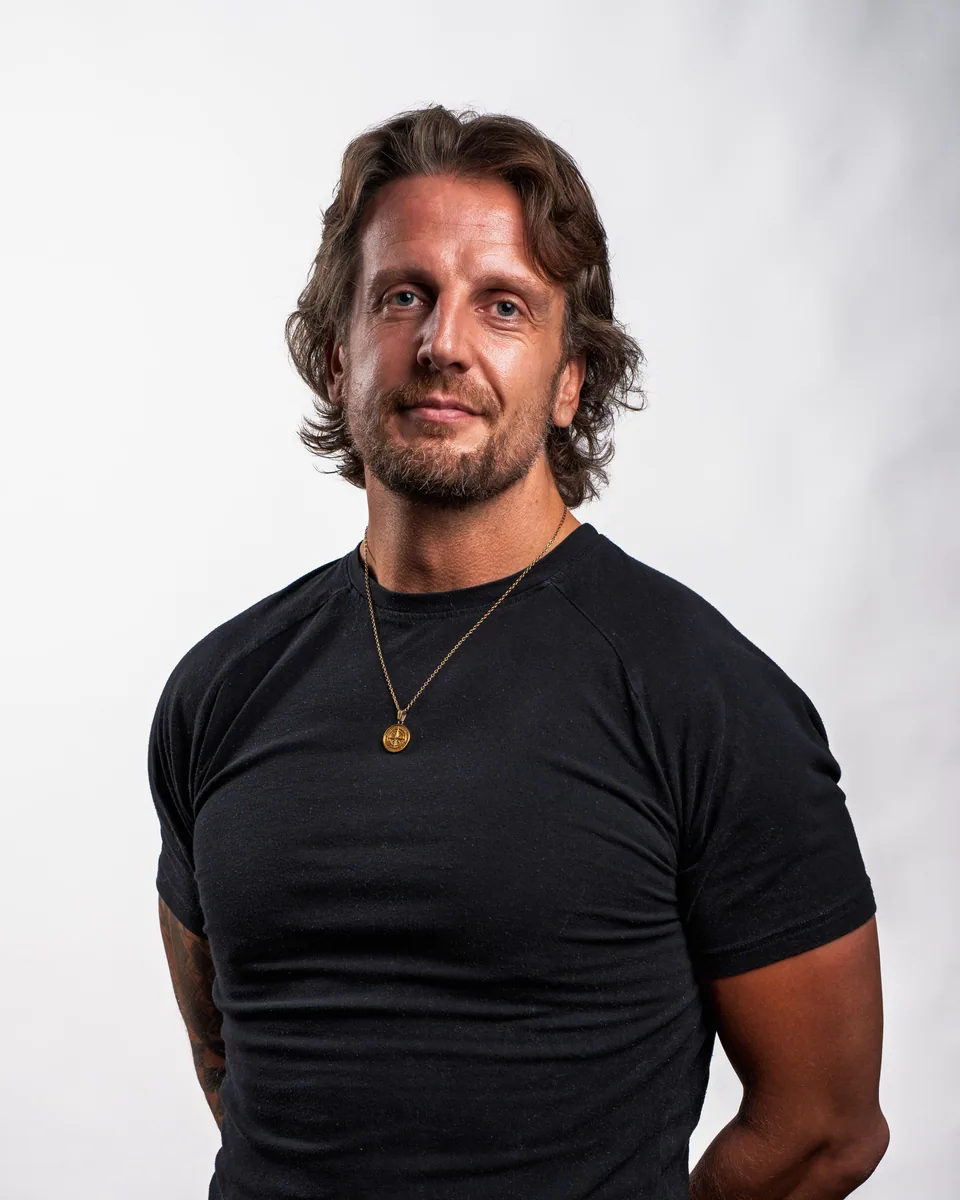
Christofer Klint
Head of Experience
Responsible for the website, the systems behind it and making sure everything fits together for the visitor, from the first visit to the reports.
Portraits taken in September 2026.
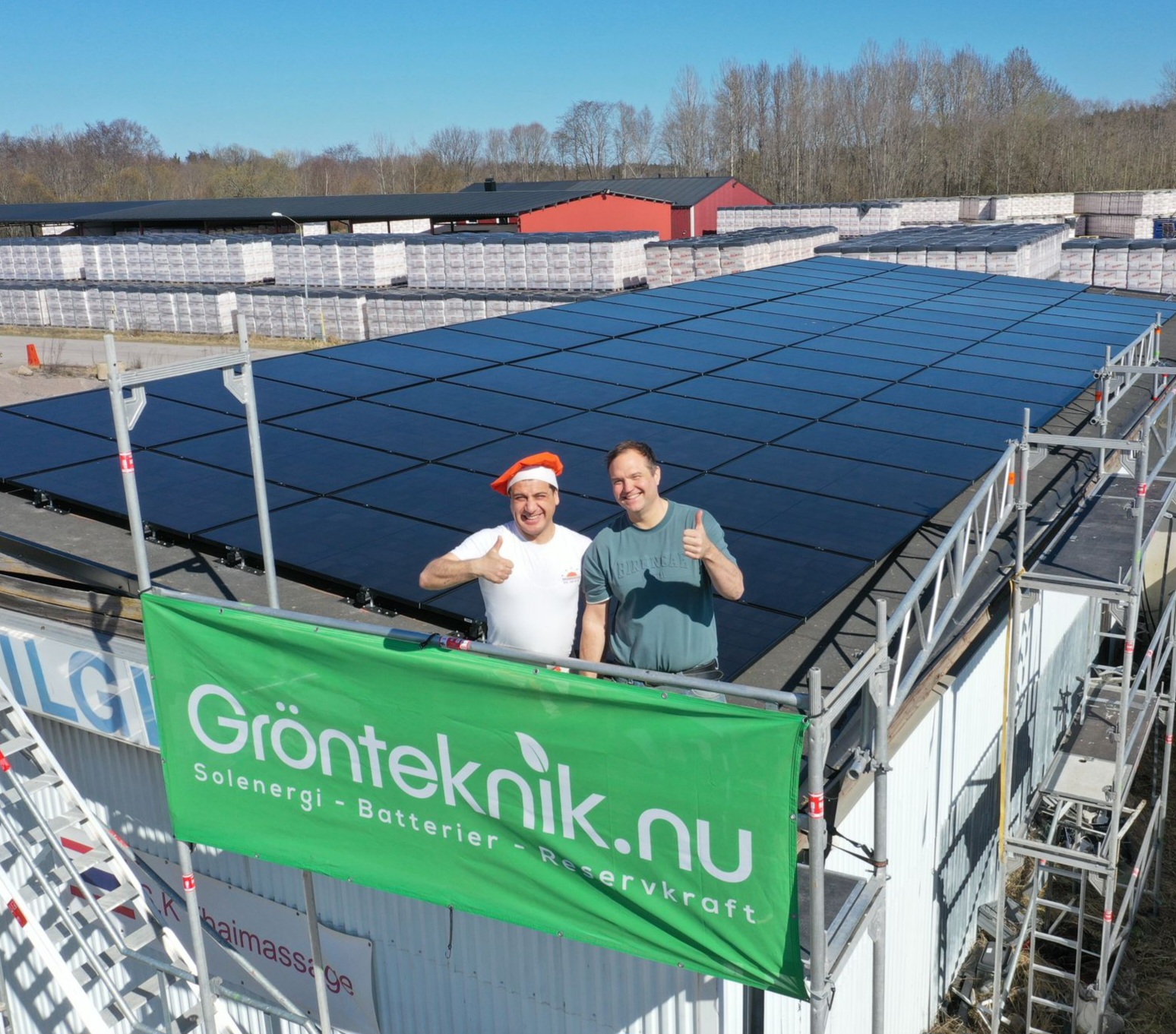
In operation
First installation in operation
The Casa Latina installation in Skutskär is our first installation in operation. The restaurant buys the electricity it consumes at an agreed price. Casa Latina has been producing electricity since May 15, 2026. On the installation's page you can inspect meter data in real time, read the terms of the agreement, see payouts made and read how the risks are allocated.
Next step
Do you want to own a share in an installation that produces electricity?
The direction
The start in Skutskär and the way forward
How much climate benefit a solar panel delivers depends on two things: how much the sun shines where it sits, and how dirty the electricity it replaces is. In Nicosia, Cyprus, the same kilowatt of solar panels generates almost twice as much electricity a year as in Skutskär, and in many countries the electricity mix is far dirtier than in Sweden. Further ahead, we therefore want to take this onward to places like Cyprus and Africa, where each panel makes the biggest difference to the electricity mix and carbon dioxide. There are no projects there today, and this is a direction rather than a fixed timeline.
We are starting in Sweden because this is where we have our base and our experience of building solar installations. On the first roof, the restaurant Casa Latina in Skutskär, the installation has been producing electricity since 15 May 2026, and the entire chain from the roof to distribution already works. Now we are taking that experience on to more and larger roofs in Sweden, so that the model stands firmly in everyday life.
Solar electricity production per installed kilowatt in Skutskär, modelled with PVGIS.
903 kWh/kWp/yearSkutskär, 2005–2023
JRC PVGIS 5.3, SARAH3retrieved October 22, 2026
Solar electricity production per installed kilowatt in Nicosia, Cyprus, as an example of a sunnier location, modelled with PVGIS.
1,650 kWh/kWp/yearNicosia, 2005–2023
JRC PVGIS 5.3, SARAH3retrieved October 22, 2026
Get the next insight in your inbox
We write when something has happened: new installations, measurements, and how the work is progressing.